Free template
Product Life Cycle Presentation: Marketing Strategy for Every Stage
This product life cycle PPT gives marketing teachers and product managers a complete lesson on how strategy shifts as a product moves through introduction, growth, maturity and decline. A single example scenario, a reusable water bottle, carries the whole marketing presentation: it opens with a four-card overview of each stage's goal and action, then gives every stage its own slide, from piloting with one retailer to adding partners, offering refill bundles and phasing out slow sellers. The second half moves from concepts to analysis. A line chart compares simulated quarterly sales and profit, a three-column table restates goals and bottle actions by stage, and a four-quarter timeline traces the example. The slides then flag where the model breaks down, including seasonality and product refreshes, before a Q3 versus Q4 diagnosis exercise and a three-step action checklist. Honey-yellow, plum and terracotta cut-paper illustrations with bold rounded headings give the 12 editable slides a warm classroom feel in PowerPoint, and the deck can be converted for Google Slides.
For a different product or market, try Deckgist's AI presentation maker to turn sales notes and marketing briefs into a structured, editable slide deck.
Create a presentation with AI
Enter a topic or upload reference files, then choose a theme to create a new presentation.
Create with a theme
Enter a topic or upload reference files, then choose a theme to create a new presentation.
Supports documents, PDFs, PPTs, and text files
Generate an editable presentation
AI organizes your content and completes the layout
No topic or upload needed
No topic or upload needed
What’s included
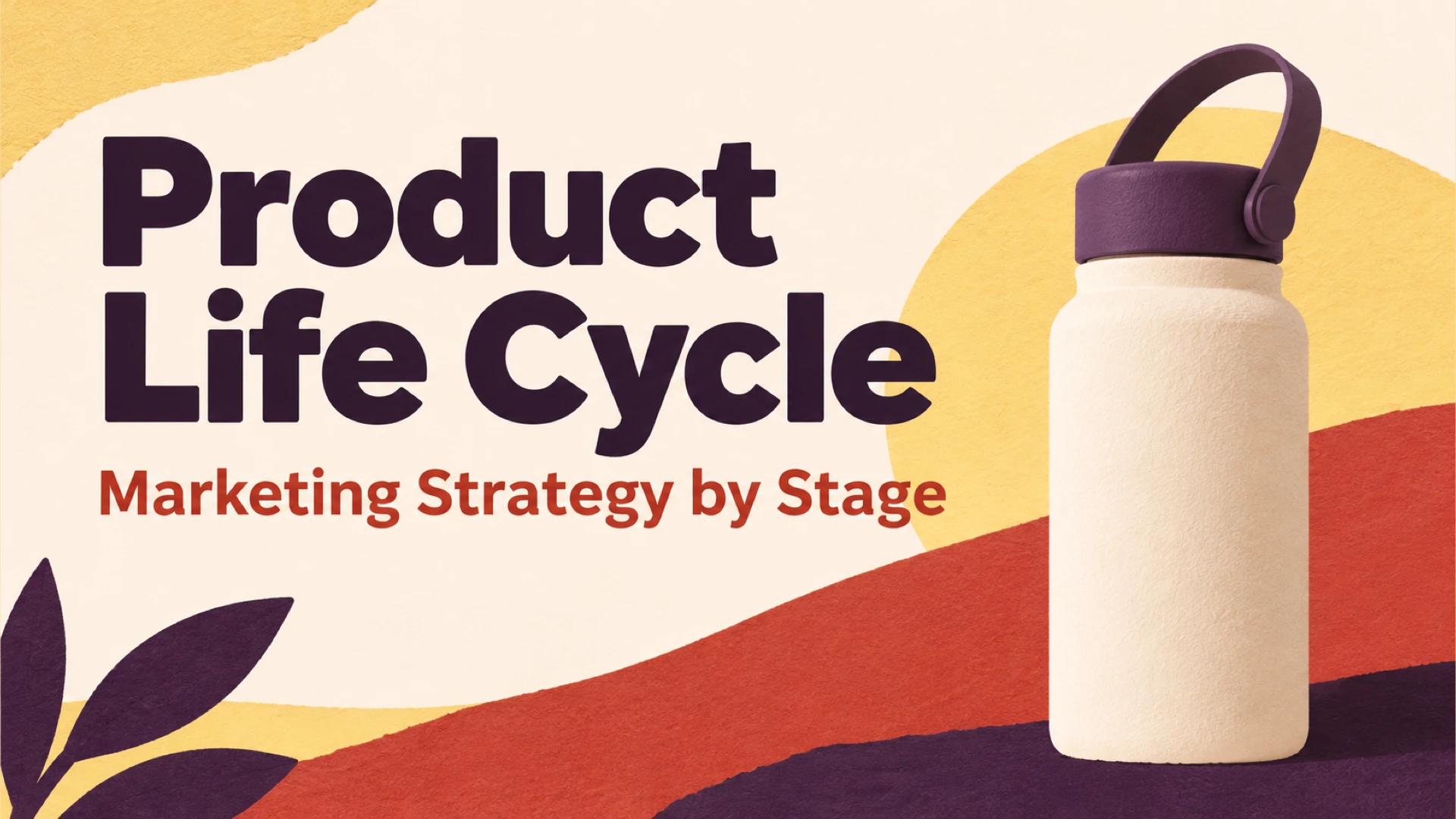
Product Life Cycle: Marketing Strategy by Stage
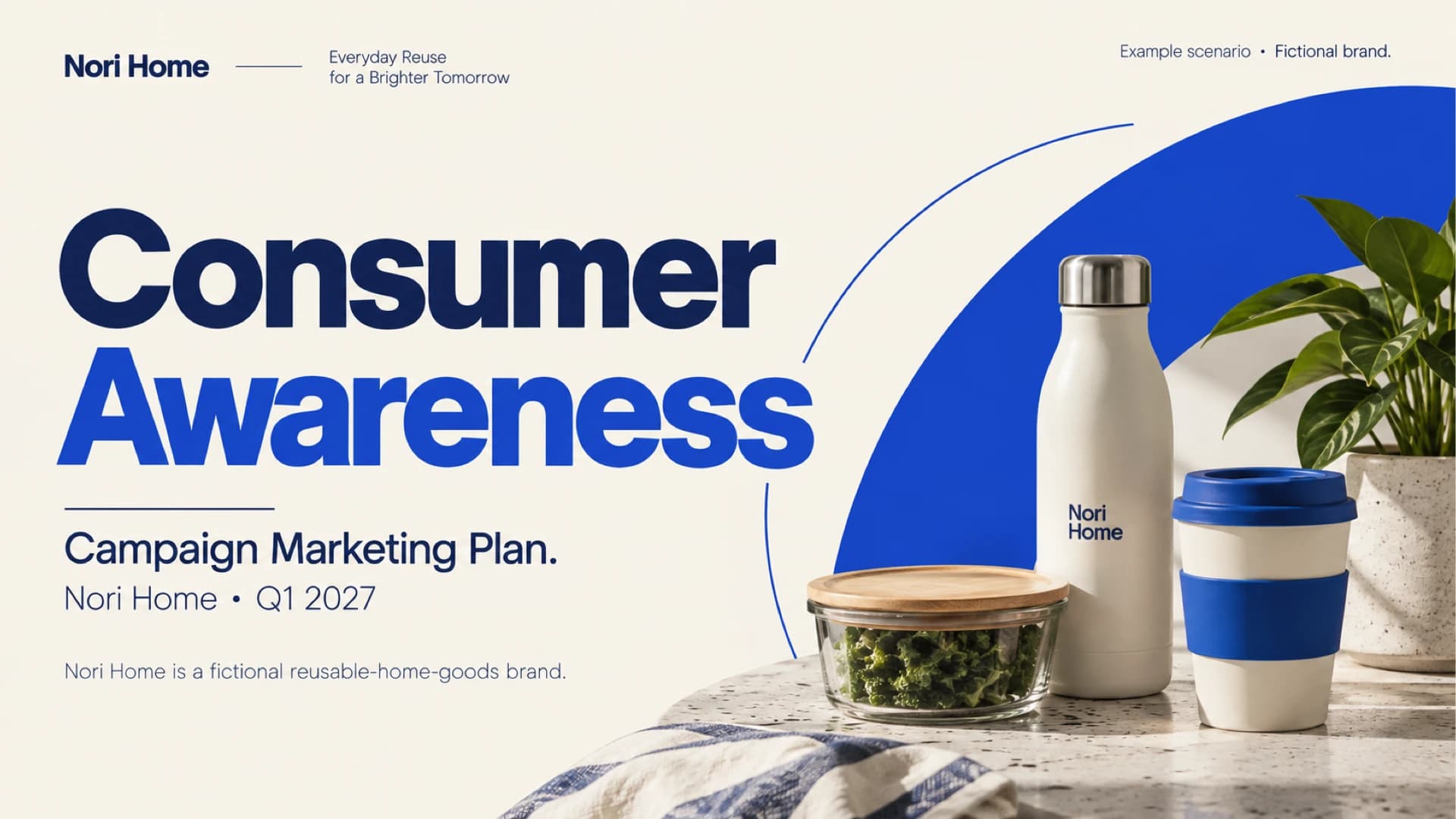
Cover slide introducing a lesson on product life cycle marketing strategy by stage.
Strategy Across the Life Cycle
Overview of the four stages with one marketing goal and one action each, using a reusable bottle example scenario.
Show full textCollapse
Introduction Stage
Introduction stage example: pilot with one retailer, track trial and learn why shoppers hesitate.
- • Pilot with one retailer
- • Track trial and learn why shoppers hesitate
Growth Stage
Growth stage example: add retail partners after repeat orders confirm demand and track sell-through by partner.
- • Add retail partners after repeat orders confirm demand
- • Track sell-through by partner
Maturity Stage
Maturity stage example: offer refill bundles and track repeat purchases and promo margin.
- • Offer refill bundles
- • Track repeat purchases and promo margin
Decline Stage
Decline stage example: phase out slow sellers and keep spare lids available until service commitments end.
- • Phase out slow sellers
- • Keep spare lids available until service commitments end
Sales and Profit Curves
Line chart of illustrative, simulated Year 1 sales and profit by quarter in USD thousands.
Strategy by Stage
Table comparing each stage's marketing goal with the bottle action in the example scenario.
Show all 12 slides
A Bottle in Four Quarters
Timeline following the example bottle through four quarters, from one retail pilot to slow colors phased out.
Show full textCollapse
Where the Model Breaks Down
Limits of the product life cycle model, including seasonality, product refreshes and markets at different stages.
Show full textCollapse
Diagnose the Stage
Exercise comparing Q3 with Q4 to decide what evidence separates a seasonal dip from a sustained decline.
From Diagnosis to Action
Three-step checklist for naming the stage, choosing an action and setting a review date.
Show full textCollapse
Best for
- Teach a marketing class lesson on the four product life cycle stages
- Brief a product team on which marketing goal and action fit each stage
- Walk students through a simulated sales and profit curve across four quarters
- Run a workshop exercise diagnosing whether a sales drop is seasonal or a sustained decline
- Discuss the limits of the product life cycle model before planning product decisions
Who this template is for
- Marketing teachers and lecturers
- Business school students
- Product managers
- Brand and marketing teams
- Corporate marketing trainers
Features of this template+
- Four stage-specific slides for introduction, growth, maturity and decline, each with a short action and metric to track
- Sales and profit line chart with clearly labeled illustrative, simulated Year 1 quarterly data
- Stage strategy table and four-quarter timeline that follow the same reusable bottle example
- Model limits slide plus a Q3 versus Q4 diagnosis exercise and a three-step diagnosis-to-action checklist
- Screen-printed cut-paper illustrations in honey yellow, plum and terracotta with bold rounded headings
- 12 editable 16:9 PowerPoint slides with a Google Slides conversion option